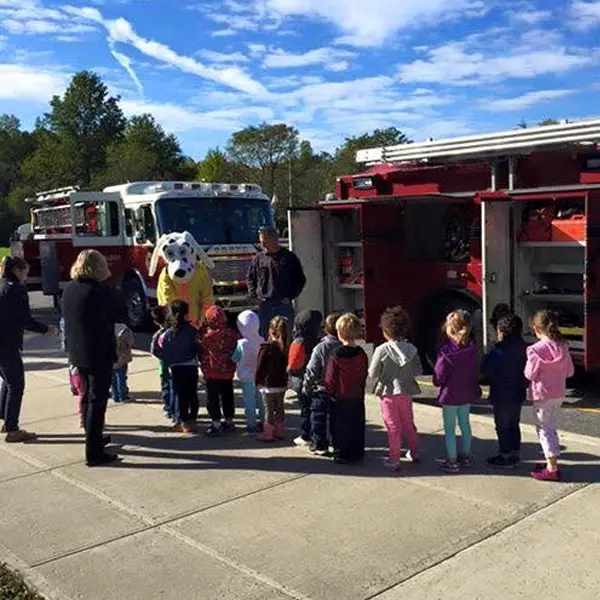
Fire Prevention, Safety & Public Education
In an Emergency, Always Call 911
When an emergency occurs, every second counts. Calling 911 immediately ensures the appropriate emergency responders are dispatched as quickly as possible. The South Blooming Grove Fire District and Independence Fire Company are available 24 hours a day, 7 days a week, to respond to fires, rescues, hazardous conditions, and other emergencies throughout our community.
If you are ever unsure whether an emergency requires the fire department, err on the side of caution and call 911. Emergency dispatchers are trained to assess the situation and send the appropriate resources.
When Should You Call 911?:
Call 911 immediately if:
🔥 You discover smoke or fire inside or outside a building.
🌲 You see a brush, grass, or woodland fire.
🚗 You witness or are involved in a motor vehicle accident.
⚡ Utility wires or power lines are down.
☠️ Your carbon monoxide alarm is sounding.
💧 Your basement or home is flooding and presents a safety hazard.
🚨 You hear a building fire alarm or suspect an emergency.
🔥 You smell natural gas.
❓ Whenever you're unsure if the situation is an emergency.
What Should You Tell the 911 Dispatcher?
The information you provide helps emergency responders reach you quickly and safely.
When speaking with the dispatcher:
- Stay calm and speak clearly.
- Never hang up until instructed to do so.
- Provide the exact address of the emergency.
- Mention nearby landmarks or intersections if needed.
- Explain exactly what happened.
- Describe any hazards or injuries.
- Follow the dispatcher's instructions while help is on the way.
Remember: Make sure your house numbers are clearly visible from the street both day and night so emergency responders can quickly locate your home.
Fire Safety Resources & Community Partners
Trusted Fire Safety Resources
Community Partners
Neighboring Fire Departments & Mutual Aid Partners
Home Fire Safety
Choosing & Operating the Right Fire Extinguisher
Different fires require different extinguishers.
- Class A - Ordinary combustibles
- Class B - Flammable liquids
- Class C - Electrical
- Class D - Combustible metals
- Class K - Cooking oils
When operating a fire extinguisher always remember to PASS
- Pull
- Aim
- Squeeze
- Sweep
Smoke Alarm Safety Tips
A properly installed and maintained smoke alarm is the only thing in your home that can alert you and your family to a fire 24 hours a day, seven days a week. According to the National Fire Protection Association, almost two-thirds of home fire deaths resulted from fires in properties without working smoke alarms. A working smoke alarm significantly increases your chances of surviving a deadly home fire.
- Install on every level.
- Test monthly.
- Replace batteries yearly.
- Replace alarms every 10 years.
- Never remove batteries.
Create a Home Fire Escape Plan
Be PREPARED! Practice your escape.
In the event of a fire, remember that every second counts, so you and your family must always be prepared. Escape plans help you get out of your home quickly.
- Have two exits from every room.
- Choose an outside meeting place.
- Practice twice each year.
- Teach children how to call 911.
- Plan for elderly family members.
- Practice both day and night.
- Never re-enter a burning building.
Carbon Monoxide Safety
Carbon monoxide (CO) is an odorless, colorless gas that can become deadly in minutes. Working carbon monoxide alarms are your first line of defense and should be installed on every level of your home, especially outside sleeping areas.
Safety Tips:
- Install carbon monoxide detectors on every level of your home.
- Test alarms monthly and replace batteries as needed.
- Never run vehicles inside an attached garage.
- Never use generators or grills inside your home or garage.
- If your CO alarm sounds, evacuate immediately and call 911.
Lithium-Ion Battery Safety: Phones, Scooters, E-bikes, Power tools
Lithium-ion batteries power many everyday devices, including cell phones, laptops, e-bikes, scooters, and power tools. Improper charging or damaged batteries can overheat and cause fast-moving fires.
Safety Tips
- Only use manufacturer-approved chargers.
- Do not charge batteries overnight or unattended.
- Replace damaged or swollen batteries immediately.
- Keep batteries away from heat and flammable materials.
- Never dispose of lithium batteries in household trash.
Pet Fire Safety
Pets are beloved members of the family and should be included in your emergency planning. Taking a few simple precautions can help keep them safe during a fire or other emergency.
Safety Tips
- Include pets in your family's fire escape plan.
- Keep leashes and carriers easily accessible.
- Never leave pets unattended near candles or open flames.
- Place pet alert window decals on your home.
- Ensure pets are microchipped and wear identification tags.
Generator Safety
Portable generators can save the day during power outages, but improper use can lead to carbon monoxide poisoning, electrocution, or fire.
Safety Tips
- Always operate generators outdoors, at least 20 feet from your home.
- Never use a generator inside a garage or enclosed space.
- Keep generators dry and protected from rain.
- Allow generators to cool before refueling.
- Use heavy-duty extension cords rated for outdoor use.
Holiday Fire Safety: Christmas, Halloween, Fourth of July, Thanksgiving
Holiday decorations and gatherings make the season festive, but they can also increase the risk of home fires. A few simple precautions can help keep your celebrations safe.
Safety Tips
- Water live Christmas trees daily.
- Turn off holiday lights before leaving home or going to bed.
- Keep candles away from decorations and never leave them unattended.
- Inspect light strands for damaged wires.
- Keep decorations away from fireplaces and heat sources.
Grill Safety
Outdoor grilling is a favorite summer activity, but grills should always be used with caution to prevent fires and injuries.
Safety Tips
- Keep grills at least 10 feet away from buildings.
- Never leave a grill unattended while cooking.
- Clean grease buildup regularly.
- Keep children and pets at least 3 feet away.
- Have a fire extinguisher nearby.
Summer Fire Safety
Summer brings outdoor fun, but warmer weather also increases the risk of brush fires, dehydration, and heat-related emergencies.
Safety Tips
- Never discard cigarettes outdoors.
- Avoid parking vehicles on dry grass.
- Stay hydrated during hot weather.
- Keep an eye on outdoor fire pits.
- Observe local burn bans and fire restrictions.
Space Heater Safety
Space heaters provide extra warmth during colder months but are a leading cause of home heating fires.
Safety Tips
- Keep heaters at least 3 feet from anything combustible.
- Never leave a heater running unattended.
- Plug heaters directly into a wall outlet.
- Turn heaters off before leaving a room or going to bed.
- Purchase heaters with automatic tip-over protection.
Winter Fire Safety
Winter weather can create hazardous conditions both inside and outside the home. Preparation can help keep your family safe during snowstorms and freezing temperatures.
Safety Tips
- Keep fire hydrants clear of snow whenever possible.
- Clear furnace and dryer vents of snow and ice.
- Use fireplaces safely and have chimneys inspected annually.
- Keep emergency supplies in your vehicle.
- Dress in layers when outdoors during extreme cold.
Fireworks Safety
Fireworks cause thousands of fires and injuries each year. The safest way to enjoy fireworks is by attending a professionally supervised public display.
Safety Tips
- Never allow young children to handle fireworks.
- Keep a bucket of water or hose nearby.
- Never relight malfunctioning fireworks.
- Soak used fireworks before disposal.
- Always follow local laws regarding fireworks.
Swimming Pool Safety
A few seconds can make the difference between life and death around water. Constant supervision and proper safety measures help prevent drowning accidents.
Safety Tips
- Never leave children unattended near water.
- Install proper fencing with self-closing gates.
- Learn CPR.
- Remove toys from the pool after use.
- Keep rescue equipment nearby.
Winter Storm Safety
Snowstorms and ice storms can lead to power outages, dangerous travel, and increased fire risks. Preparing before a storm arrives helps keep your family safe.
Safety Tips
- Keep flashlights and batteries available.
- Stock extra food, water, and medications.
- Avoid using candles whenever possible—use battery-powered lights instead.
- Keep cell phones charged.
- Stay off the roads unless absolutely necessary.
Helping Keep Our Community Safe
Fire prevention begins long before an emergency occurs. By learning simple safety practices, maintaining working smoke alarms, preparing an escape plan, and knowing when to call 911, every resident can help reduce the risk of fire and improve emergency preparedness.
The South Blooming Grove Fire District is committed not only to responding to emergencies but also to educating our community and helping prevent them before they happen.